Research area
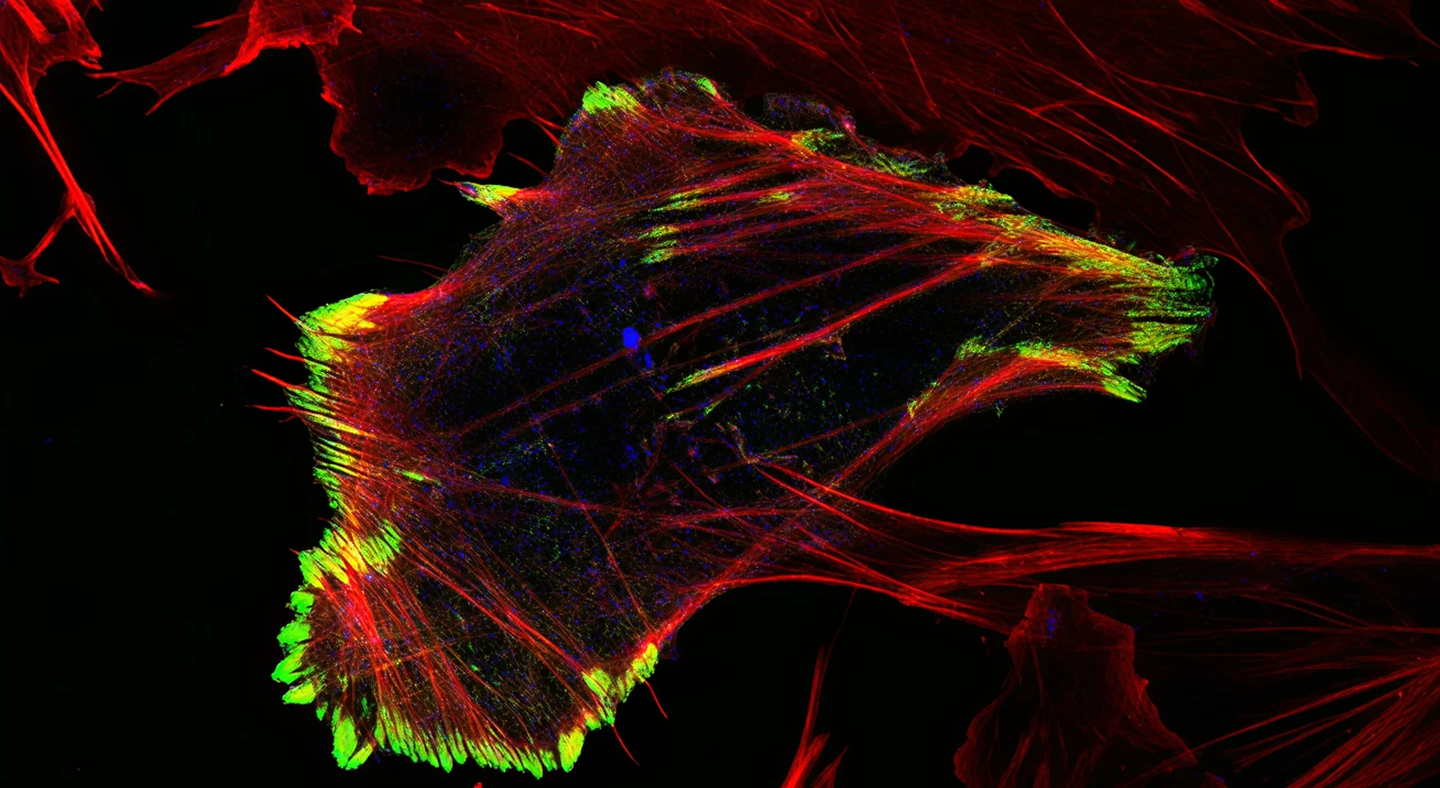
Mechanisms of Tumor Cell Migration
We study how mechanical stress and tissue fluidification govern the earliest steps of tumor evolution, enabling collective migration and early dissemination. We uncover how mechanical forces trigger nuclear and mitochondrial DNA release, activating innate immunity and shaping tumor–immune interactions.

Researcher
Giorgio Scita
Giorgio Scita graduated in Biology and specialized in Food Chemistry and Technology at the University of Parma. He pursued his postdoctoral training at the University of California, Berkeley, and at the National Cancer Institute (NCI) of the National Institutes of Health (NIH).
In 1995, he joined the European Institute of Oncology (IEO) in Milan, and since 2001, he has been a Principal Investigator at IFOM ETS – The AIRC Institute of Molecular Oncology. Since 2006, he has served as Professor of General Pathology at the Faculty of Medicine and Surgery of the University of Milan. He has been an EMBO member since 2014 and was awarded an ERC Advanced Grant in 2012 and an ERC Synergy Grant in 2022.
team
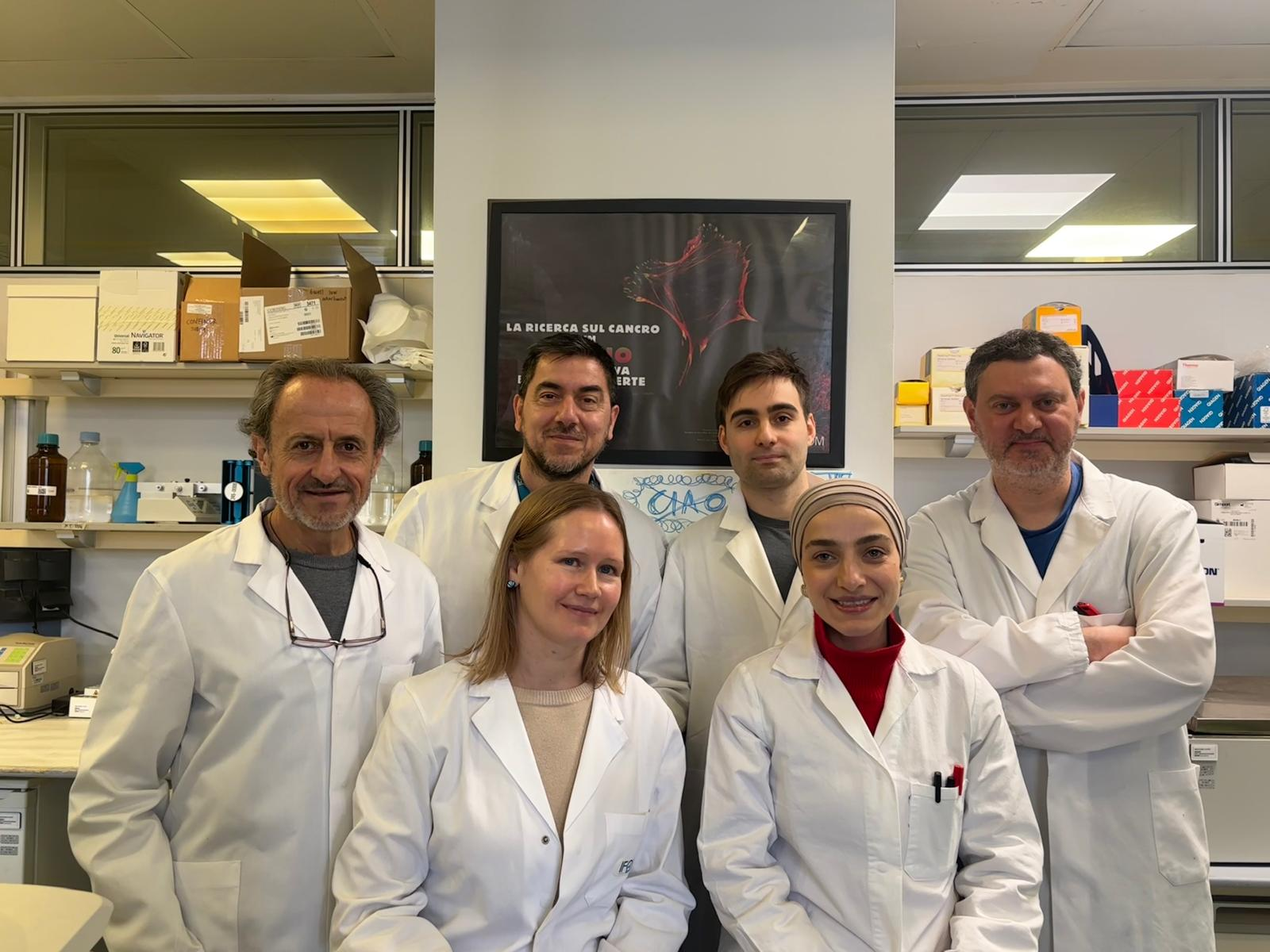
Our team

Ultramicrotome EM UC7 RT - Leica
caption 2

caption 3
1/3 -